
Meet our Fellows
Anna Rosensweig (Fall 2024)
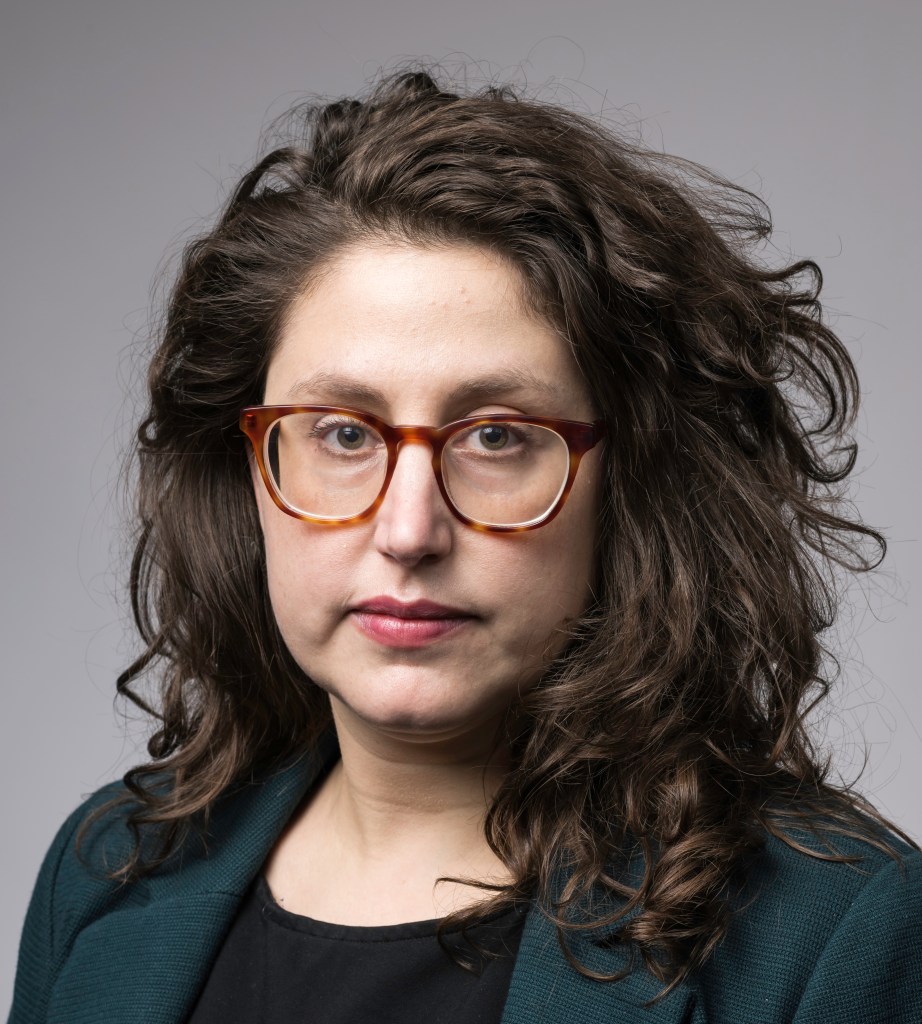
Anna Rosensweig is Associate Professor of French and the Director of the Graduate Program in Visual and Cultural Studies at the University of Rochester. Her research focuses on early modern literature and culture, the intersections of literature and political theory, and performance studies. She is the author of Subjects of Affection: Rights of Resistance on the Early Modern French Stage (2022), and her current book project examines how Christian Nationalists and QAnon conspiracists in the US are currently mobilizing texts, images, and ideas from the sixteenth-century Wars of Religion in France .
Young Richard Kim (Fall 2024)

Young Richard Kim is an associate professor in the Department of Classics and Mediterranean Studies and the Department of History at the University of Illinois at Chicago. He is a scholar and teacher of the ancient Mediterranean world, with a focus on Late Antiquity, late ancient Christianity, and early Byzantine Studies. He is the author of Epiphanius of Cyprus: Imagining an Orthodox World (2015) and the editor of the Cambridge Companion to the Council of Nicaea (2021). His current book project is entitled Cyprus and the Historiography of Late Antiquity.
Rachel P. Kreiter (Spring 2025)

Rachel P. Kreiter is the curator of the Vanderbilt University Museum of Art. For VUMA, they have curated Gloss: A Measured Response to Recent Video Art (2024) and are co-curating Studentship (2026-7); their research interests concern the art of ancient Egypt and its broader interconnections, especially with (but not limited to) contemporary art and in museums. They hold an MFA in curating from Goldsmiths, University of London, and a doctorate in art history from Emory University.
Maroun El Houkayem (Spring 2025)
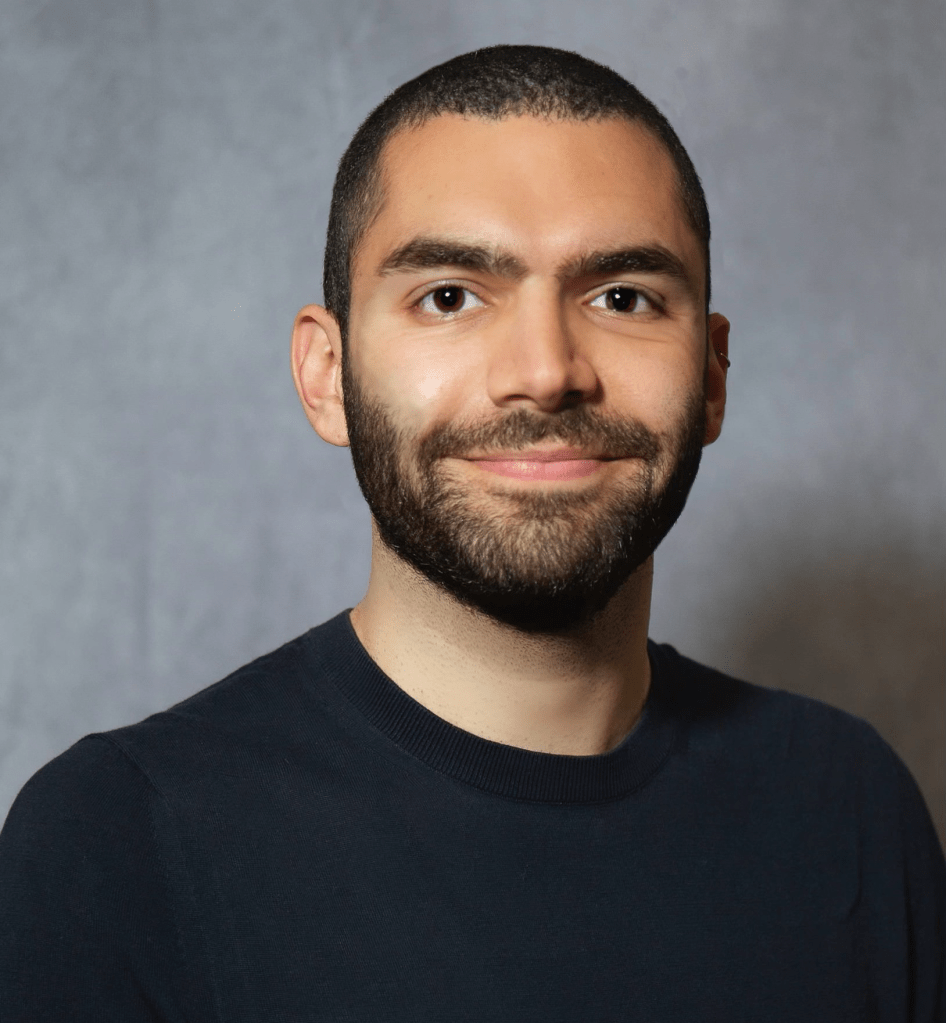
Maroun El Houkayem is a PhD candidate in the Graduate Program in Religion at Duke University. His work lies at the intersection of history, religious studies, and postcolonial studies. His dissertation focuses on the constitution and development of major Syriac manuscript collections, along with the scholarly practices surrounding them. It analyzes how acts of cataloging, collecting, and studying these manuscripts have shaped the self-representation and identity of their custodians, while influencing broader discourses on colonialism, nationalism, and religion in various global contexts.
Peter van Dommelen (Fall 2025)
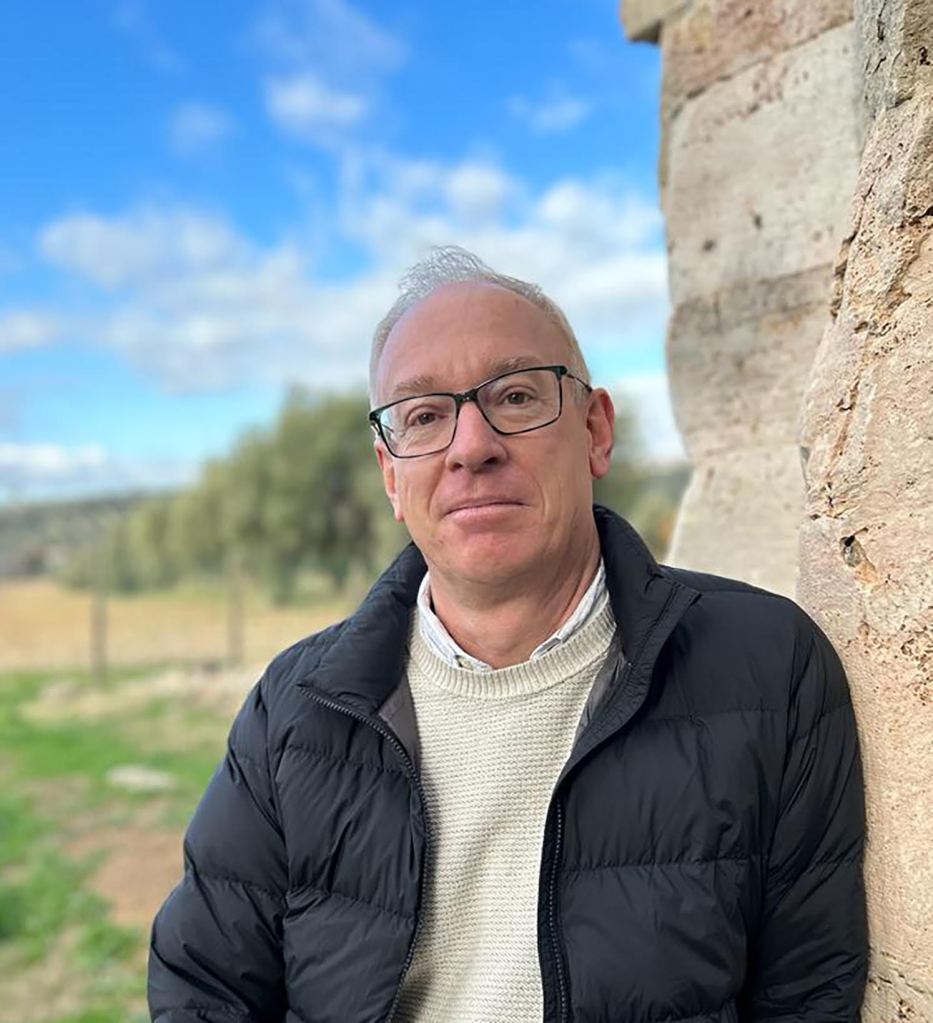
Peter van Dommelen is the Joukowsky Family Professor of Archaeology and Professor of Anthropology at Brown University (Providence, RI). As a Mediterranean archaeologist, he studies cultural interactions, indigeneity and colonialism in the Iron Age and Phoenician-Punic West Mediterranean. His research concerns migration, rural landscapes, and ancient agriculture, which structure long-term fieldwork and ceramic studies on Sardinia. He co-edits the Journal of Mediterranean Archaeology and the Archaeology of the Mediterranean World book series (Brepols). Publications include Rural Landscapes of the Punic World (2008, with Carlos Gómez Bellard) and Il Mediterraneo occidentale dalla fase fenicia all’egemonia cartaginese (2021, co-edited with M. Botto and A. Roppa). Peter will be visiting from October 6-10, 2025.
Giovanni Bazzana (Fall 2025)
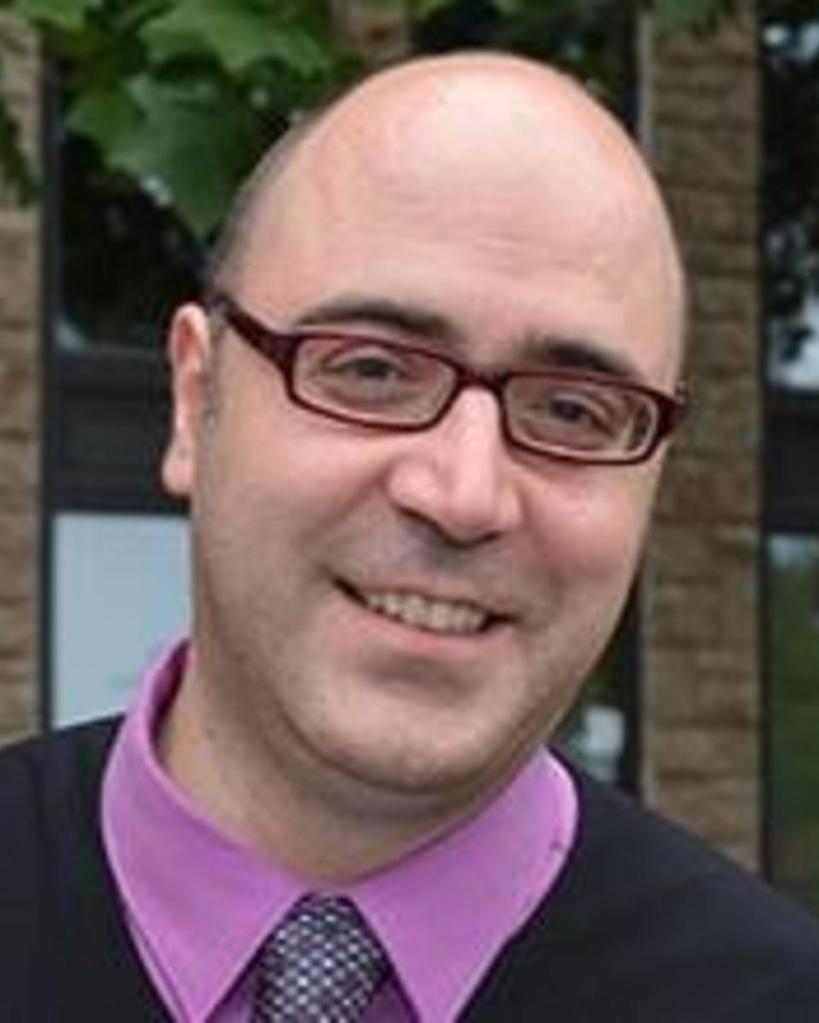
Giovanni Bazzana is the Frothingham Professor of the History of Religion and Professor of New Testament and Early Christian Studies at Harvard Divinity School. His research and teaching focus chiefly on the critical study of the early Christ movement and of early Christianity in the context of Second Temple Judaism and of ancient Mediterranean history, religions, and material cultures. Bazzana’s latest book, Having the Spirit of Christ: Spirit Possession and Exorcism in the Early Christ Groups (Yale 2020), starts form the observation that the earliest Christian writings are filled with stories of possession and exorcism, which were crucial for the activity of the historical Jesus and for the practice of the earliest groups of his followers.
Jake Nabel (Spring 2026)
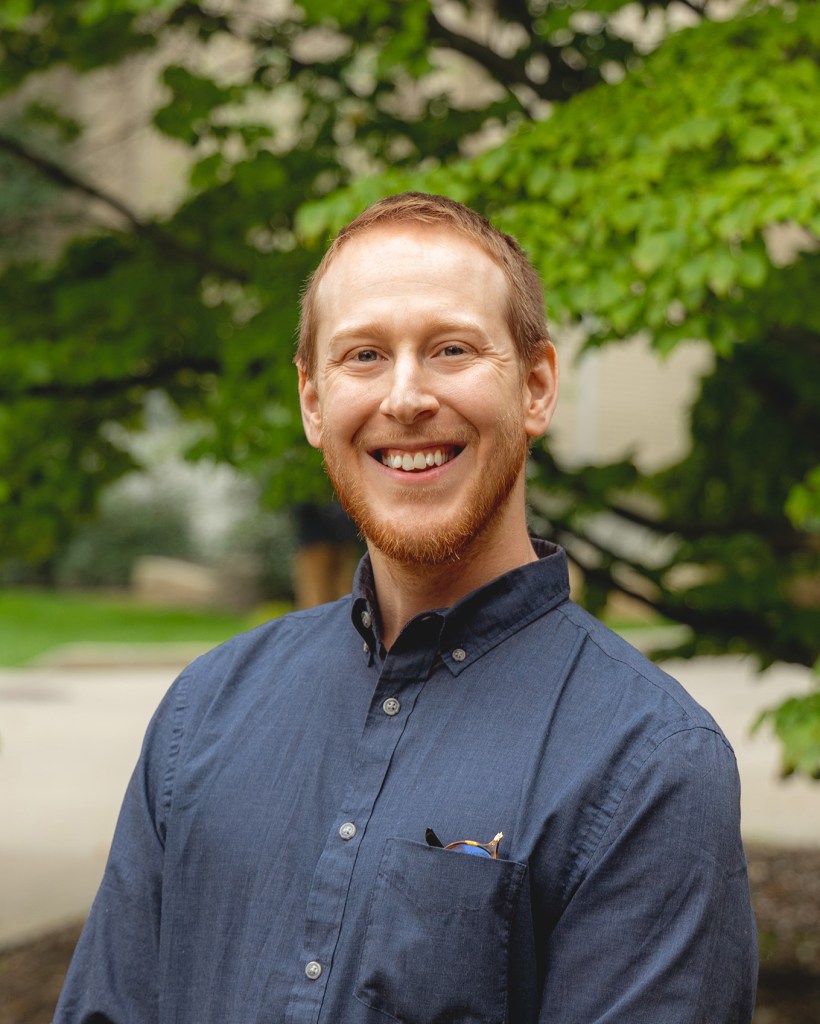
Jake Nabel is the Tombros Early Career Professor of Classical Studies and an Assistant Professor of Classics & Ancient Mediterranean Studies at Pennsylvania State University. He is a historian of ancient Rome, pre-Islamic Iran, and the points of contact between the two. His book The Arsacids of Rome: Misunderstanding in Roman-Parthian Relations was published by the University of California Press in April 2025. At Minnesota, he will be developing a new monograph on the concept of freedom in post-Hellenistic Iran. Jake will be visiting from March 30-April 3, 2026.
Shubha Pathak (Spring 2026)
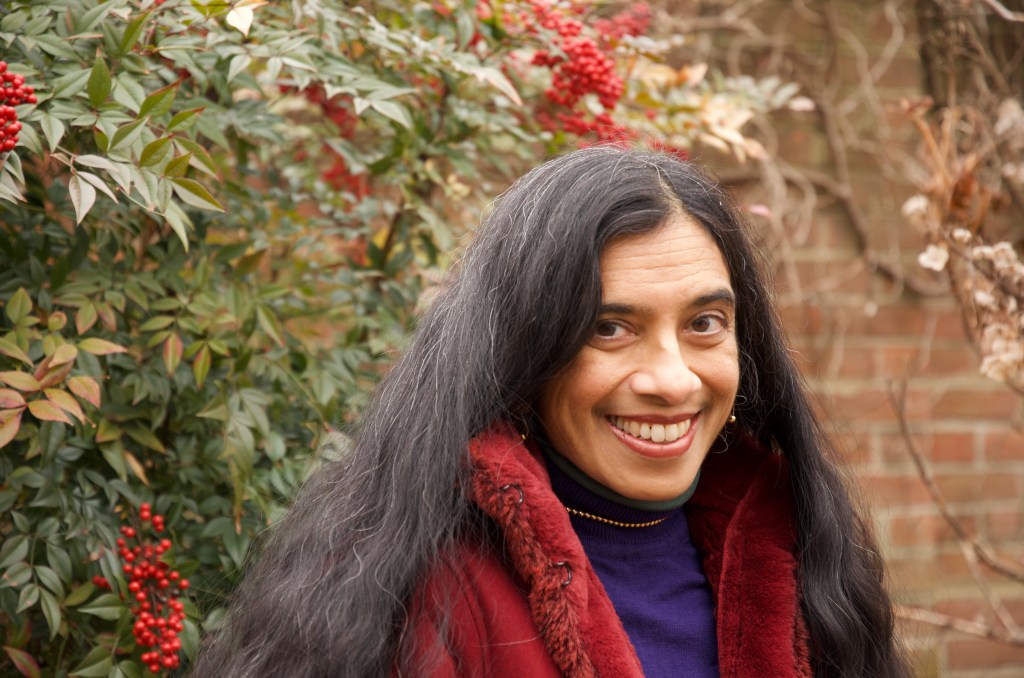
Shubha Pathak is an Associate Professor in American University’s Department of Philosophy and Religion. Her interpretations of Greek, Indian, and Roman epics reflect her training as both a social and behavioral scientist and a historian of religions. The author of Divine Yet Human Epics and the editor of Figuring Religions, she currently is delving into literary innovations, religious influences, and political critiques couched in the earliest Roman and Indian amatory epics, as well as surveying cycles shaping the cosmic mandates of panthea’s supreme deities, cognitions and emotions motivating inter-religious interactions, and heuristic narratives’ uses in cross-cultural studies. Shubha will be visiting from April 20-24, 2026.
 The Future of the Past Lab